
Inducement in Trading: How Smart Money Traps Traders and How to Avoid It
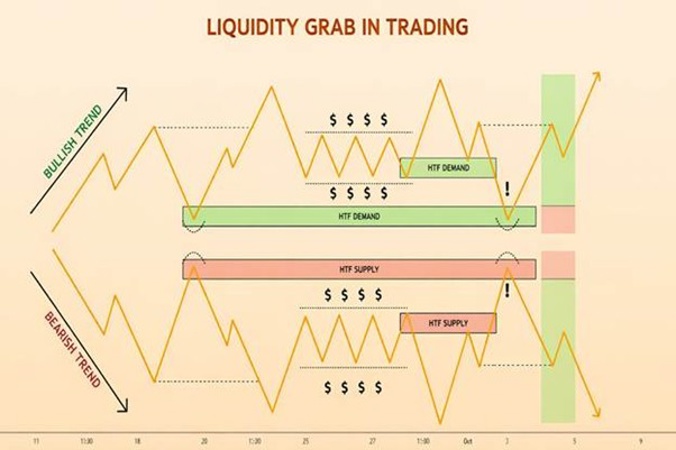
Inducement in trading is a liquidity-based market behavior where price creates a false sense of direction to trap traders before moving toward its real objective. It usually forms around equal highs, equal lows, or consolidation zones where stop losses accumulate. Once liquidity is taken, price continues in the intended direction. Traders often misread these moves as breakouts or reversals.


What Is Inducement in Trading?
Most traders think they understand structure. Higher high, higher low, break of structure, BMS confirmed. Then price sweeps the previous low, hits their stop, and still goes in the original direction. That frustration is exactly where inducement in trading operates.
So what is inducement in trading in real terms? It is not something mystical. It is simply the market luring you into a position before continuing its intended move. Just like social media screenshots lure beginners into buying courses, the chart lures you with a convincing candle or structure shift before reversing and trapping you.
When you see a strong breakout candle, feel confident, and enter aggressively, that is often the inducement liquidity trap in action. The market creates temptation first, then takes liquidity, then moves.

Chart shows false breakout above equal highs, sharp liquidity sweep, then continuation toward external liquidity target.
Why Structure Breaks Still Traps Traders
How Higher High–Higher Low Logic Fails
Traders assume once a proper structure forms, continuation is guaranteed. But structure alone is not protection. Sometimes price breaks structure, forms what looks like confirmation, and still sweeps a previous low before moving.
This is where traders misread inducement pattern price action. They believe the structure shift means reversal or continuation immediately. In reality, the market may still need internal liquidity before continuing.
A structure shift does not automatically mean a new trend has started. It often means the previous trend ended. After that, the price can still seek liquidity before choosing direction.
The Real Reason Behind Double Stop Loss Hits
Many traders experience this: first they get stopped on the original bias, then they flip bias and get stopped again. The analysis was correct, but timing was wrong.
This double hit often happens because of inducement stop loss hunting. Price sweeps internal liquidity, triggers emotional reaction, then resumes direction. The move was always targeting external liquidity, but internal traps were placed first.
Internal Liquidity Explained
Why Inducement Is Just Internal Liquidity in Disguise
In a trend, prices do not move in a straight line. It creates internal liquidity, sweeps it, then continues. Many traders think this sweep is a reversal, but it is often just smart money inducement.
When price forms relative equal highs or equal lows, it engineers liquidity. Later, it comes back to sweep it. That sweep is what traders misinterpret as a shift.
Internal liquidity sweep is often continuation fuel, not reversal. Price moves internal to external liquidity. If external targets remain, the sweep is usually preparation, not direction change.
Continuation BMS vs Trap Move
A continuation BMS after liquidity sweep is different from a trap. The key confusion comes when traders treat every structural break as final confirmation.
If the liquidity above or below has not been properly taken, that structural break can be induced. Institutional inducement trading operates through this internal-to-external liquidity transition.
Trend shift does not equal trend reversal. Many continuation BMS moves only clear internal liquidity before continuation. Confusing this transition is where traders fall into traps.

Side-by-side structure comparison showing valid continuation BMS versus inducement trap before real directional move.
Inducement vs Liquidity Sweep (Critical Difference)
Inducement and liquidity sweep are closely related but not the same. Understanding the difference helps you read market intent more clearly.
- Inducement: The setup phase where price creates or builds liquidity to trap traders.
- Liquidity Sweep: The execution phase where that created liquidity is actually taken out.
- Key Idea: Inducement prepares the trap, sweep triggers the move after liquidity is collected.
How to Identify Inducement
Most traders ask how to identify inducement before it hits their stop. The answer is already on the chart.
Relative Equal Highs / Equal Lows as Liquidity Pools
When you see relative equal highs or equal lows forming during consolidation, that is a liquidity pool. That is engineered liquidity. Those are inducement levels in market structure.
If price approaches those pools aggressively, expect a sweep before continuation. Many smart money inducement examples begin with these equal highs or lows.

Liquidity pools above and below act as inducement zones before price expansion.
Price forms relative equal highs and lows, marking engineered liquidity pools before sweep reaction.
Low-Resistance vs High-Resistance Liquidity
If a structure shift occurs but nearby liquidity has not been taken, be cautious. A low-resistance liquidity pool sitting just above or below often signals inducement.
In inducement in forex trading and crypto alike, this pattern appears frequently during trending phases.
If liquidity above is weak and unswept, trap probability increases. If strong resistance liquidity is already cleared, continuation becomes cleaner and less deceptive.
Why Consolidation Before Move Matters
Consolidation is not random. It creates liquidity. That liquidity becomes fuel.
If consolidation forms above an order block or FVG and price suddenly drops, that drop may not be the real direction. It may be induced before the actual move.
Inducement Trading Strategy
The solution is not avoiding the move. The solution is using it.
An effective inducement trading strategy begins with patience. If price drops without reaching your planned order block, do not change bias mid-move.
Wait for Liquidity Sweep Before Entry
If you planned to enter at an order block, let price come there. If it drops early, let it drop. If it sweeps internal liquidity first, let it sweep.
Smart money inducement works because traders react emotionally to early movement. You do not react. You wait.
Why Plan Should Not Change After Early Move
Most traders change plans when the price moves unexpectedly. That is exactly when they get trapped.
If your original plan required price to return to an inefficiency, do not adjust simply because a candle is large or volume spikes.
If price moves early and misses your level, let it go. A missed trade is better than emotional entry. Discipline protects capital more than prediction.
Entry Only From Order Block / FVG With Liquidity Below
High probability entries occur when an inducement liquidity trap has already happened. If liquidity below an order block is swept and price returns, that is cleaner.
This is how to avoid inducement in trading and instead participate after the trap is complete.

Liquidity sweep below structure followed by price returning into order block or FVG for high probability entry.
FOMO, Volume & Trap Psychology
The emotional side cannot be ignored.
Bullish Engulfing Trap
A large bullish engulfing candle after consolidation creates excitement. Traders assume breakout confirmation.
But without liquidity sweep context, that candle can be inducement.
Volume Spike Misinterpretation
Price up, volume up, confidence up. Traders believe volume validates direction.
Volume does not cancel liquidity mechanics. A spike can still be part of smart money inducement.
Social Media Pump Psychology
When social media celebrates the move, emotion increases. FOMO replaces structure logic.
Inducement in trading feeds on this behavior. The trap works because traders chase narrative instead of liquidity.
How to Avoid Inducement
Avoiding traps is not complicated, but it requires discipline.
Never Short Near Liquidity Pool
If equal lows or highs are visible nearby, do not enter blindly. Liquidity pools attract price
Never Change Bias Mid-Move
If price moves early without reaching your planned level, do nothing. Let trade miss. Missing a trade is better than entering inside inducement.
Let Trade Go If Setup Is Incomplete
If liquidity sweep did not occur and your level was not reached, skip the trade. That is how professionals think.
This mindset is critical to avoid inducement in trading consistently.
Inducement in Trending Markets
Inducement appears everywhere, but it works cleaner in trends.
Why It Works Better in Trend
In a clear trend, price moves internal to external liquidity. Internal sweeps are common before continuation.
These smart money inducement examples are easier to identify because direction is clearer.
Inducement works on every timeframe. Whether intraday or higher timeframe, internal-to-external liquidity transition follows the same behavior inside trending conditions.
Why Sideways Inducement Is Different
In sideways markets, inducement becomes messy. Sweeps can be deeper and less predictable.
Trending environments provide cleaner inducement levels in market structure.
Internal to External Liquidity Continuation
Price often sweeps internal liquidity, then targets external highs or lows. That transition is where institutional inducement trading plays out most effectively.
Recognizing this flow reduces confusion dramatically.
Internal liquidity sweep is usually preparation. External liquidity remains the objective. When that objective is clear, inducement becomes predictable instead of confusing.

Internal liquidity sweep transitions into directional move targeting external highs in trending market structure.
Timing vs Direction Insight
Most traders don’t lose because their direction is wrong. They lose because their timing is emotional.
If your analysis says price should reach an order block, but price drops early and you flip bias, that is not strategy failure. That is inducement doing its job. The market does not move randomly. It creates internal liquidity first, takes it, and then continues toward its real objective.
The difference between being trapped and trading with structure is simple: do you react to candles, or do you wait for liquidity to be taken first?
That one shift in thinking changes everything.
Quick Reference Table
|
Situation |
What Traders Assume |
What Actually Happens |
What To Do |
|
Structure Break |
New trend started |
Internal liquidity still pending |
Wait for sweep |
|
Equal Highs/Lows |
Support/Resistance |
Engineered liquidity pool |
Expect sweep |
|
Big Breakout Candle |
Confirmation |
Possible inducement |
Check liquidity context |
|
Early Move Without Entry |
Missed opportunity |
Trap before level |
Do not adjust plan |
|
Internal Sweep |
Reversal |
Fuel for continuation |
Target external liquidity |
Final Summary
Inducement in trading is not manipulation in a dramatic sense. It is liquidity engineering inside structure.
When price breaks structure and still sweeps a previous level, that is not randomness. It is internal liquidity being taken before continuation. If you understand how to identify inducement, you stop reacting emotionally and start positioning intelligently.
Inducement in trading becomes powerful only when misunderstood. Once you see it as an internal liquidity sweep within a larger objective, you stop being the liquidity and start trading with it.
FAQs
1. Why does price take my stop loss before going in my direction?
Because price sweeps internal liquidity first, then continues toward its actual external liquidity target.
2. Is inducement the same as a fake breakout?
Not exactly. Inducement creates liquidity first, then traps traders before the real continuation move begins.
3. How do I know if a structure break is real or a trap?
Check if nearby liquidity has been swept. If not, the break may be induced.
4. Does inducement work on lower timeframes like 5-minute charts?
Yes, inducement works on every timeframe because liquidity mechanics remain the same.
5. Should I change my bias after a sudden big candle move?
No. Wait for liquidity sweep confirmation before changing bias or entering impulsively.
Responses (0)
Leave a Reply
Your email address will not be published. Required fields are marked *
You might also like

Multiple Time Frame Analysis: A Practical Swing Trading Framework
This swing trading strategy is designed for traders who struggle with timing, not ideas. Most losses don’t come from missing opportunities, but from acting during the wrong phase of the market. This framework uses multiple time frame analysis to separate planning, confirmation, and execution into distinct steps, removing emotional decision-making during live markets.
Top 3 Chart Patterns in Trading You Must Know as a Beginner
Are trading charts going over your head? Then look no further - This guide will break down the top essential chart patterns in trading, signal market movements, practical strategies, risk management, and common mistakes to avoid as a beginner.